

Forward proxy requires explicit client configuration
Why explicit proxy is used
Uncontrolled direct internet access increases malware, data loss, and compliance risk. SafeSquid provides a browser-based WebGUI athttp://safesquid.cfg (an embedded Rest UI interface built into SafeSquid; accessible via proxy, NOT resolved by DNS) for configuration and management. Clients must send traffic through SafeSquid by configuring the browser or system proxy. Forward (explicit) proxy gives administrators clear control over which applications use the proxy and supports per-browser or per-application rollout.
Benefits of forward proxy mode
Explicit configuration ensures only intended traffic is inspected. Policy enforcement and logging apply to configured clients. No network-layer redirection is required; deployment fits environments where endpoint configuration is manageable. Limitation: Applications that do not use the configured proxy bypass SafeSquid unless system-wide or PAC-based proxy is used.Prerequisites
Client-side: Browser supporting manual proxy configuration (Chrome, Firefox, or equivalent). SafeSquid proxy IP and port (default 8080). SafeSquid-side: SafeSquid deployed and listening on the proxy port; WebGUI reachable via proxy athttp://safesquid.cfg (embedded interface, NOT DNS-resolved).
Configure proxy in Chrome (system settings)
-
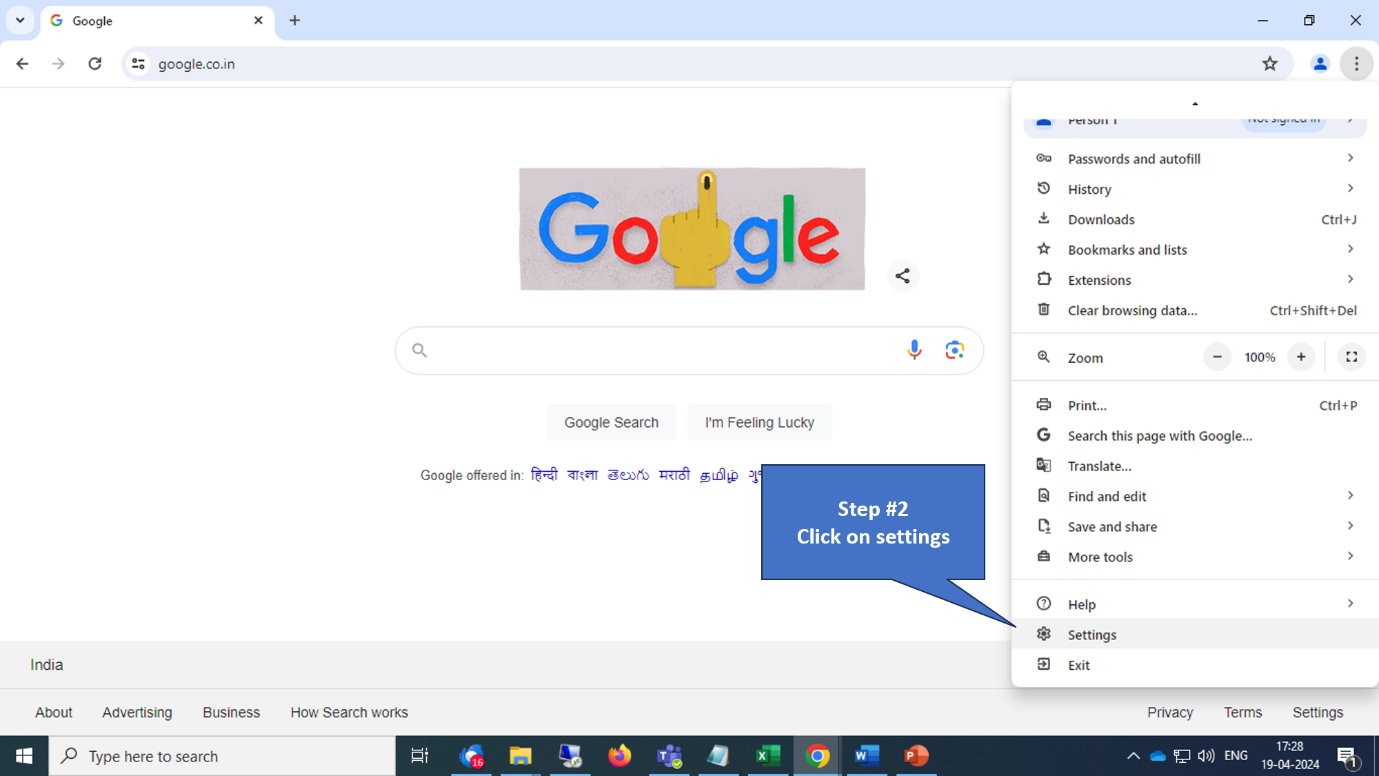
Open Chrome browser settings from the toolbar.

-
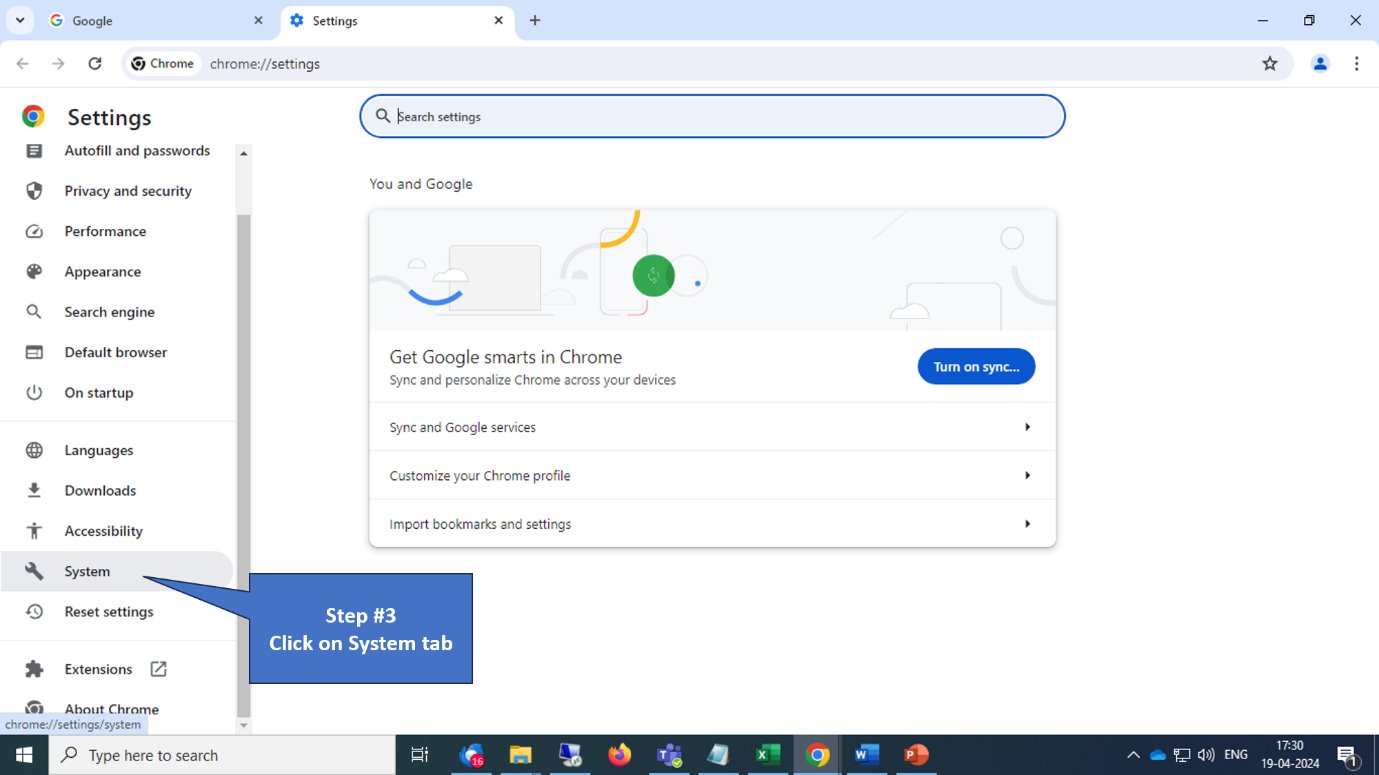
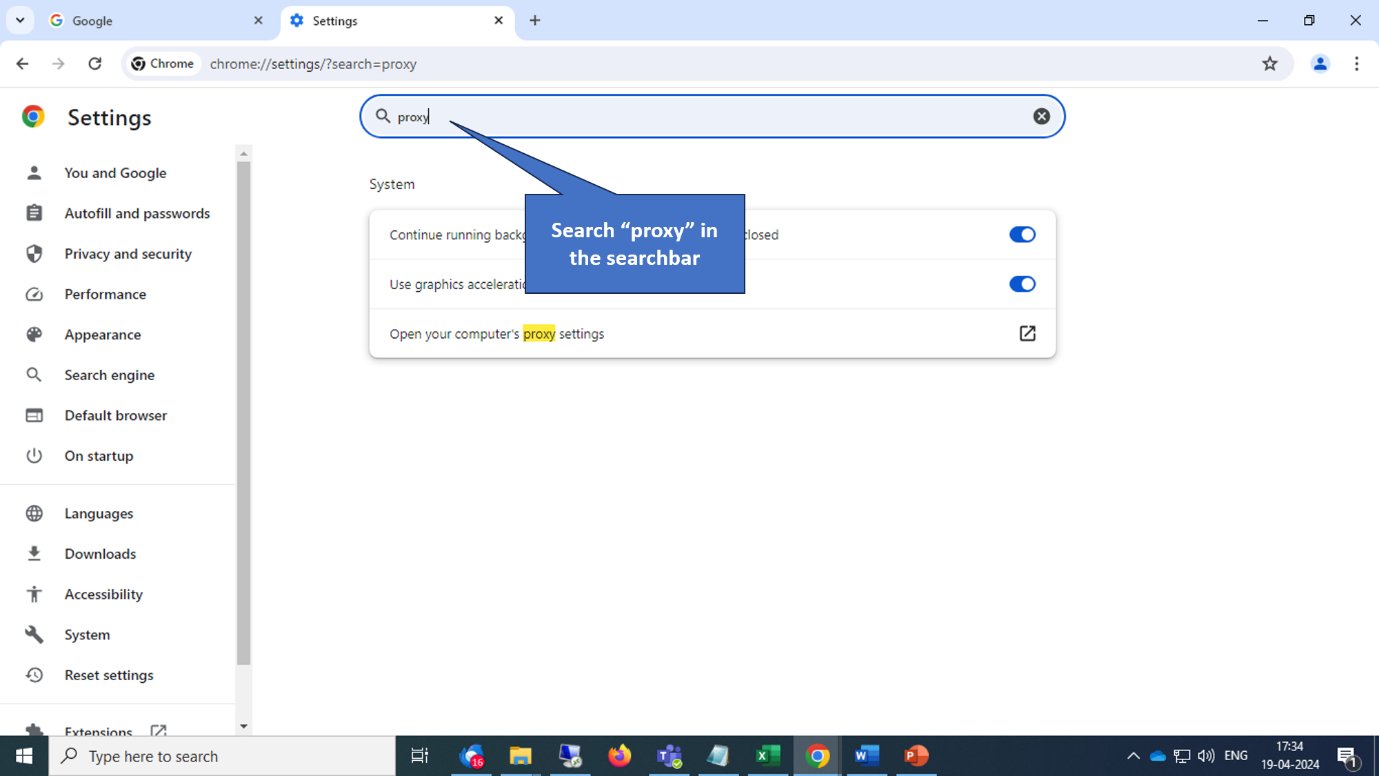
Click the System tab in Settings, or search for “proxy” in the search bar.
-
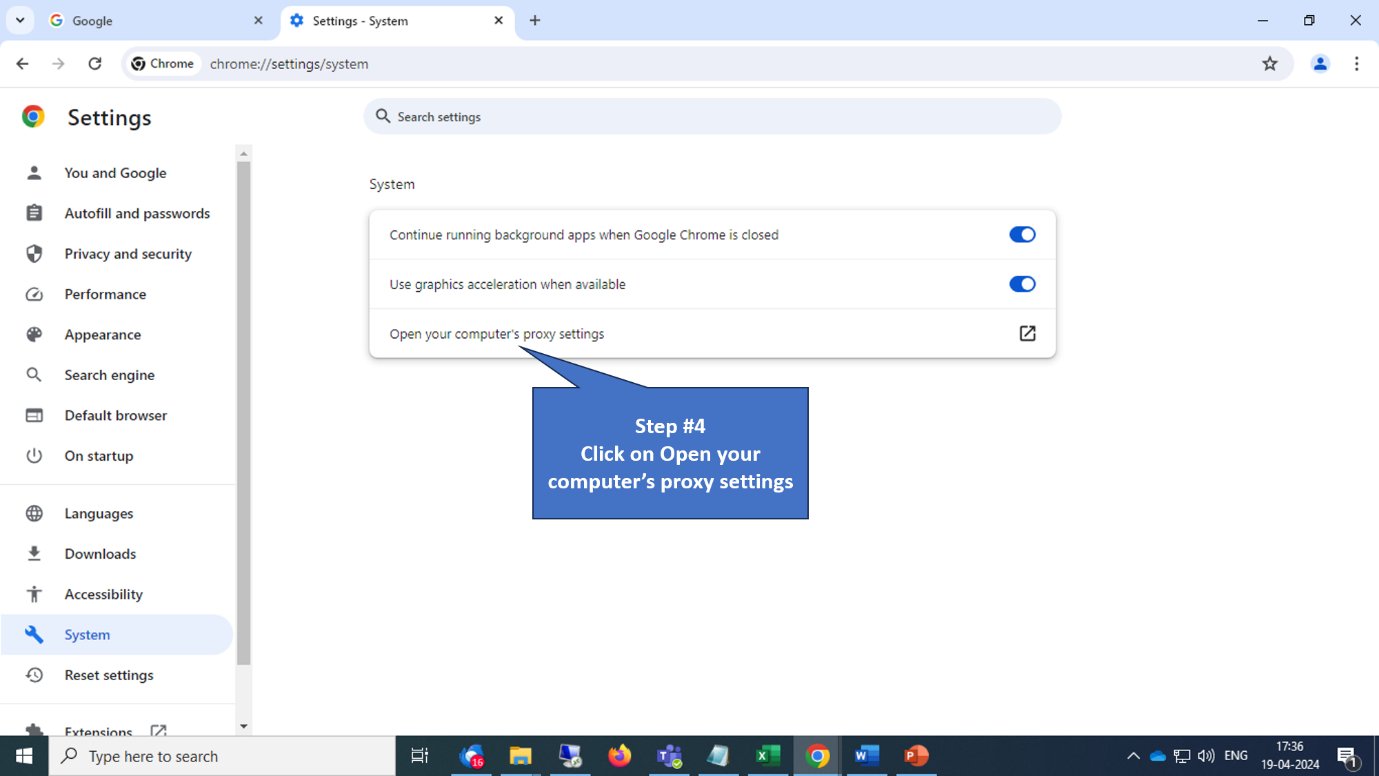
Click Open your computer’s proxy settings.
-
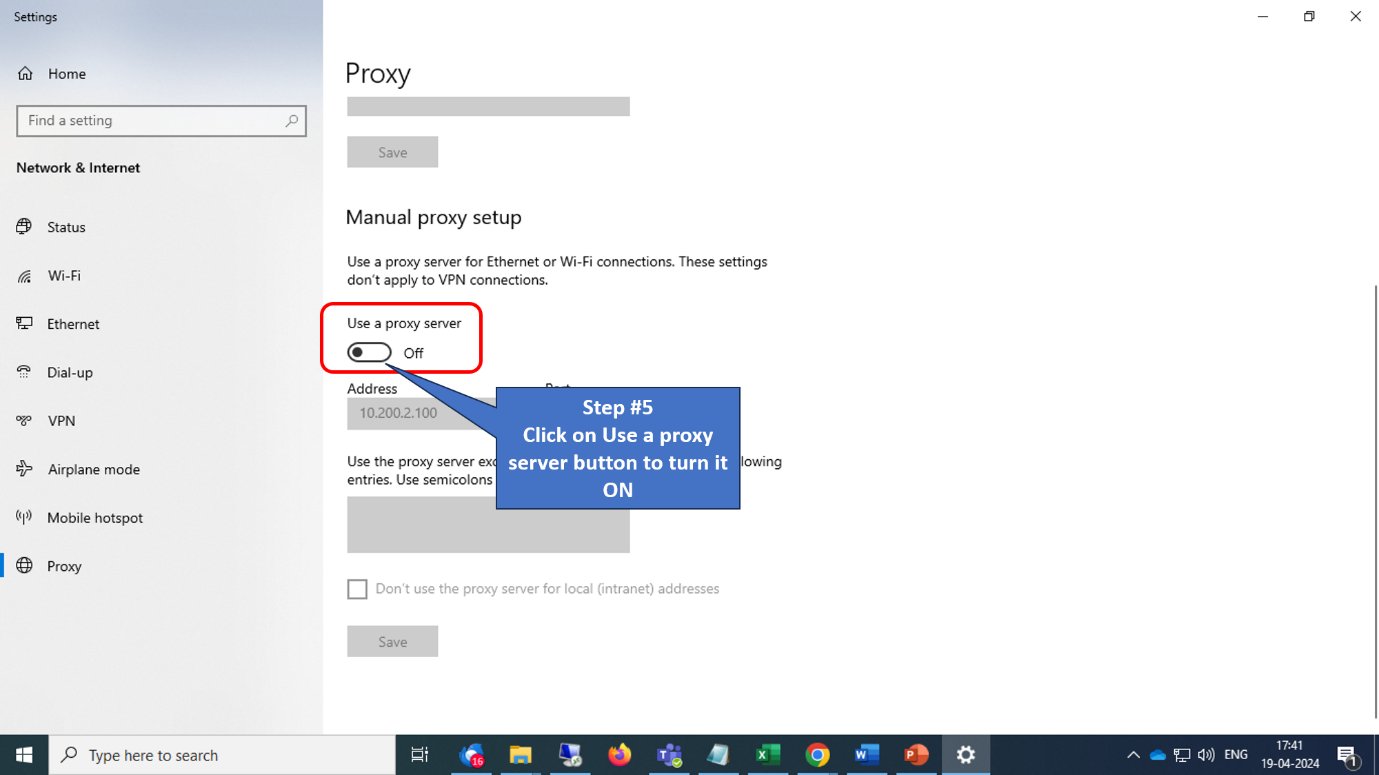
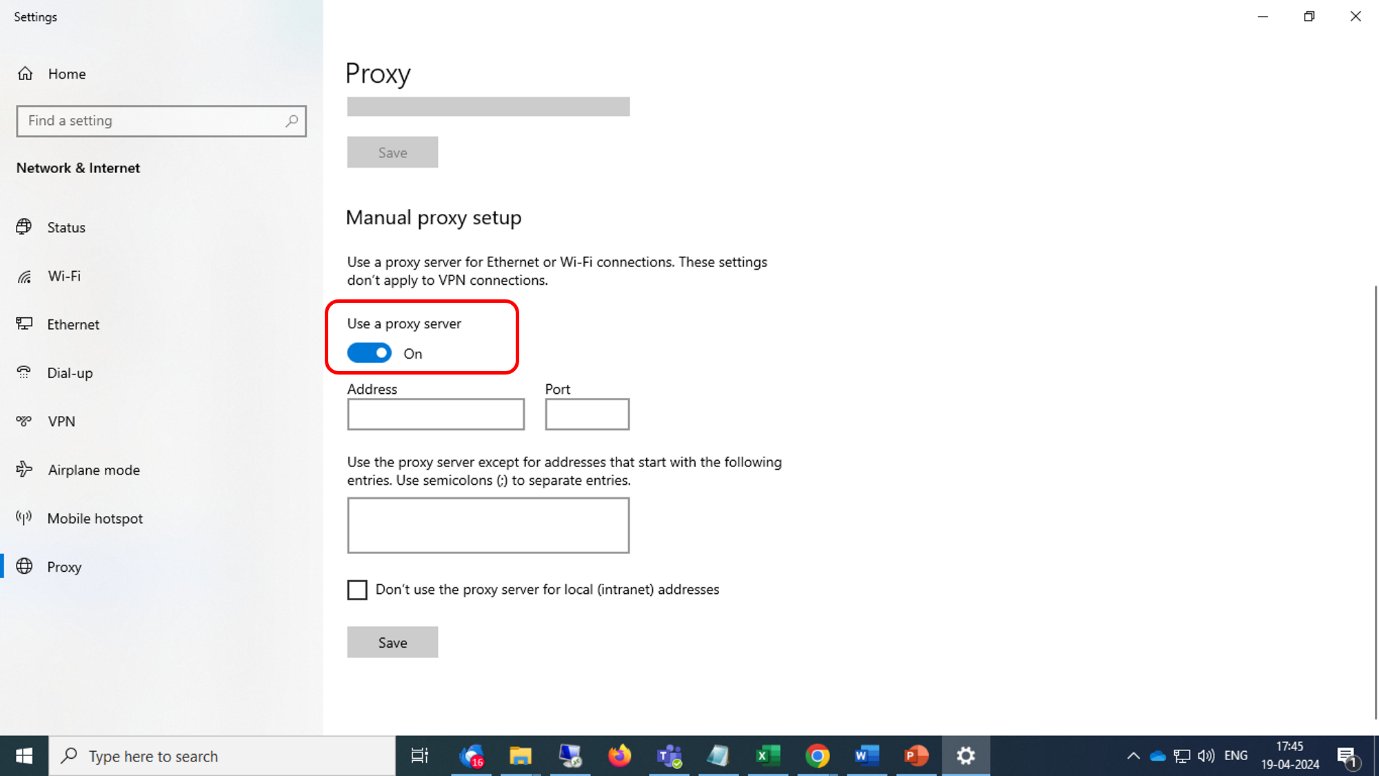
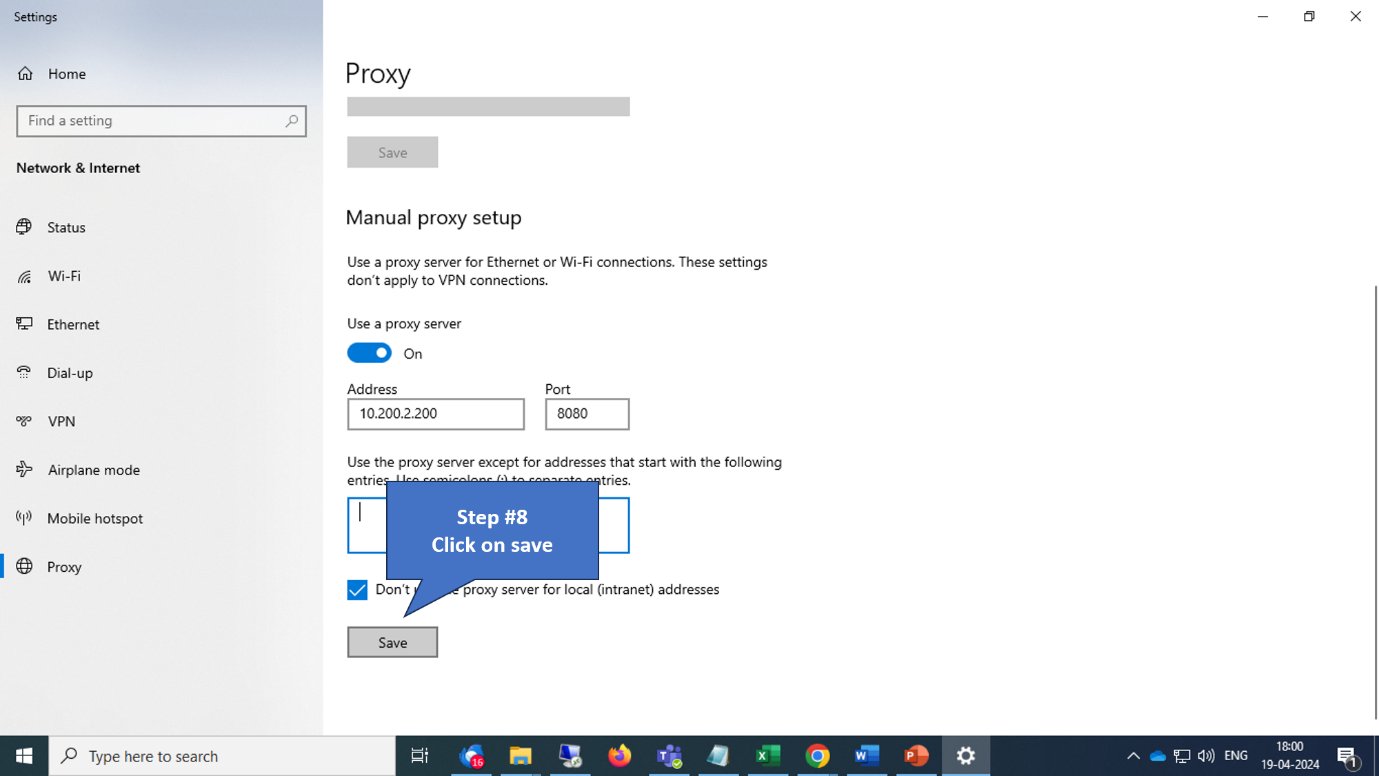
Enable Use a proxy server.
-
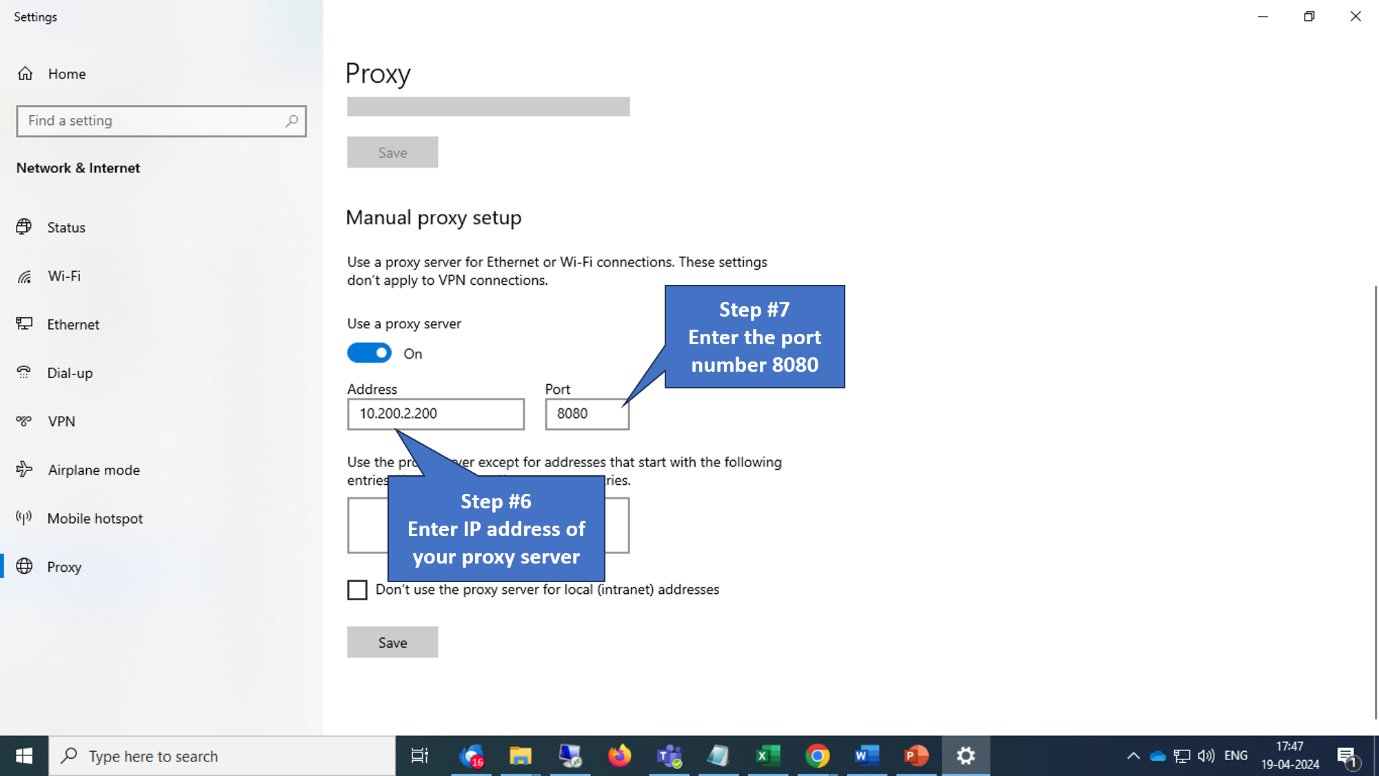
Enter the proxy server IP address and port 8080.
-
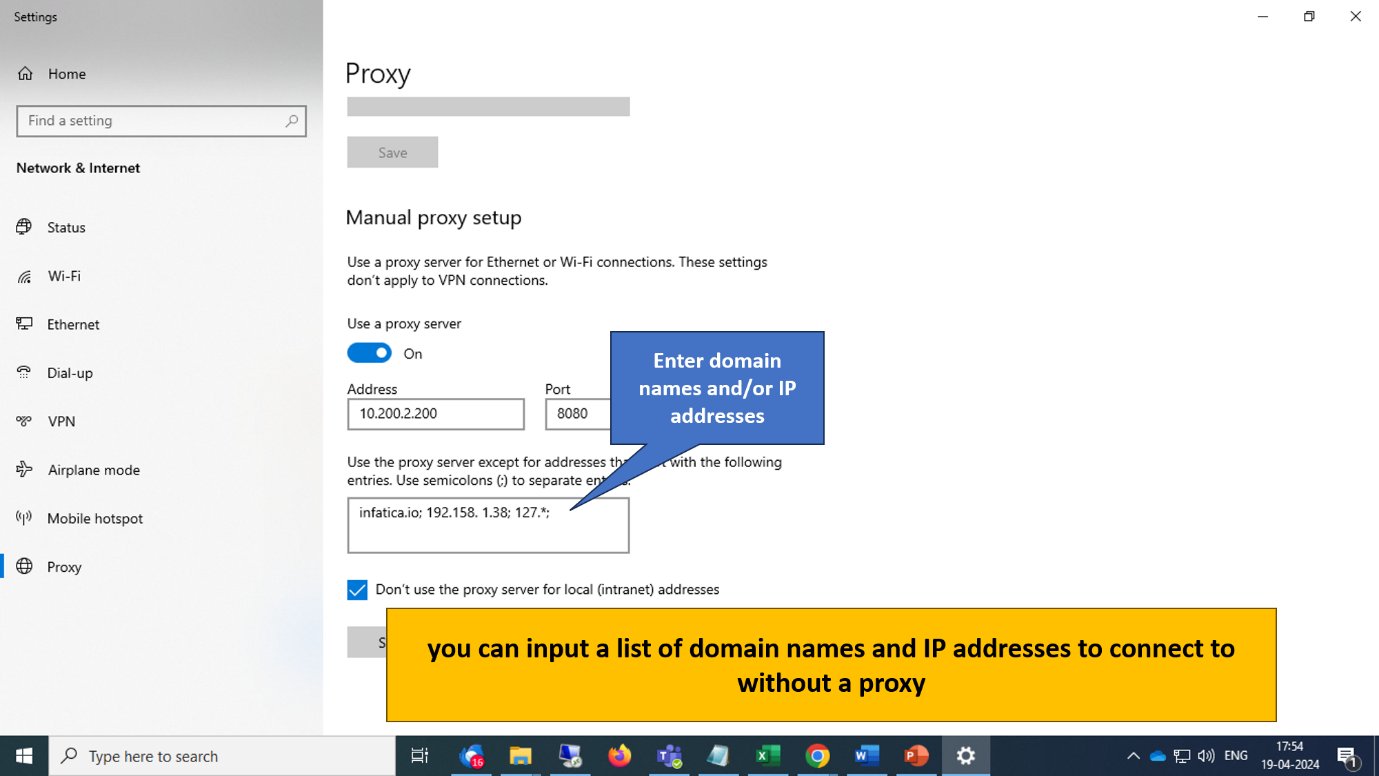
(Optional) Enter domains and IP addresses to bypass the proxy in the exclusion field:
- Example:
infatica.io,192.158.1.38, addresses starting with127.
- Example:
-
Click Save.
Configure Proxy in Firefox
Firefox allows browser-specific proxy configuration without affecting system-wide settings.-
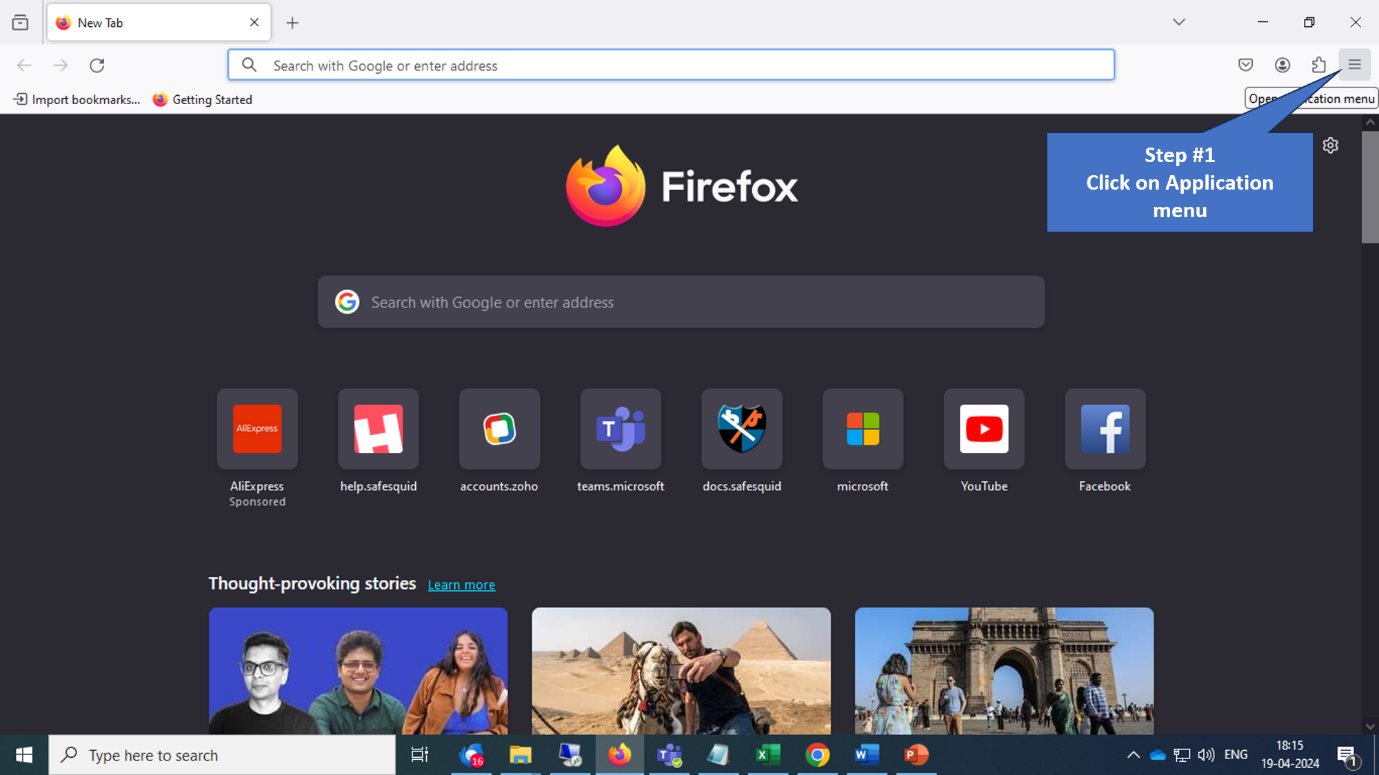
Open Firefox and click the menu button (three horizontal lines) in the top right corner.
-
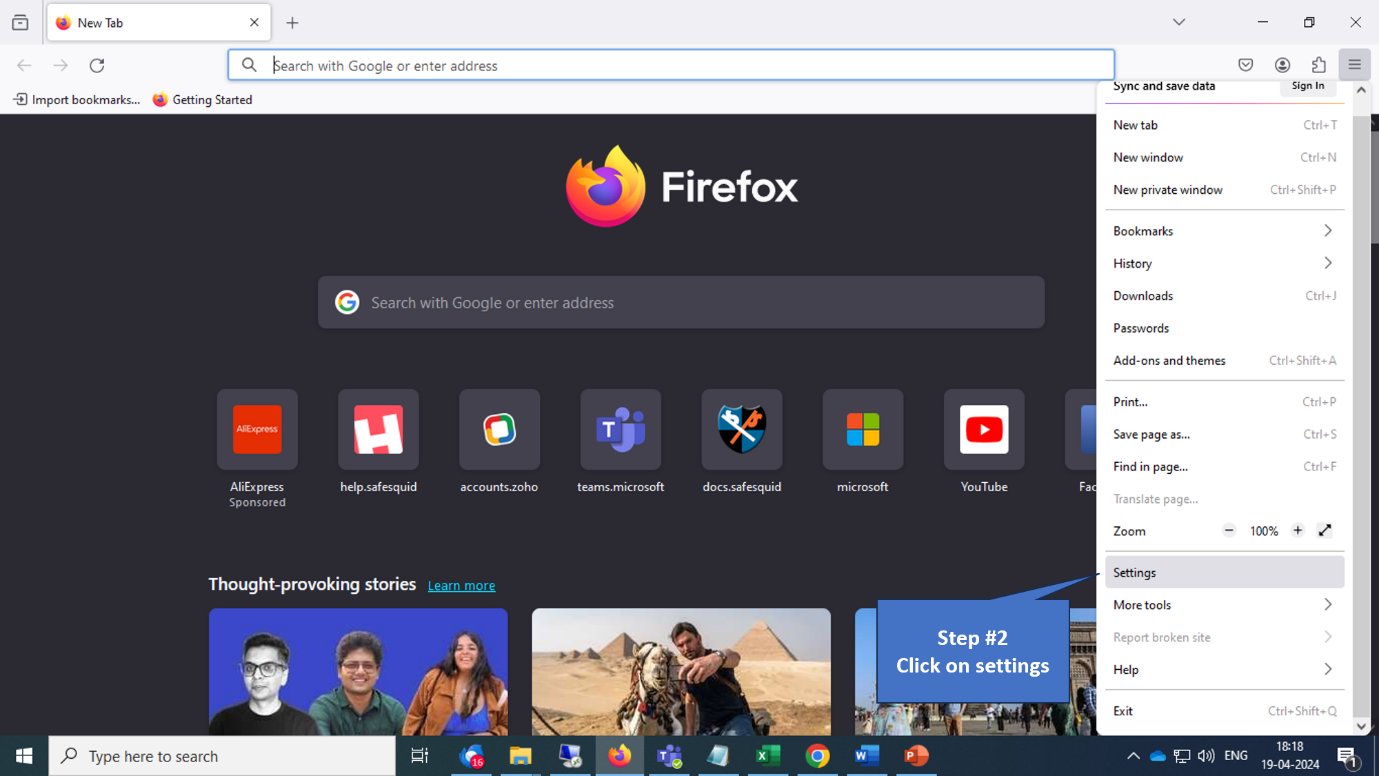
Click Settings.
-
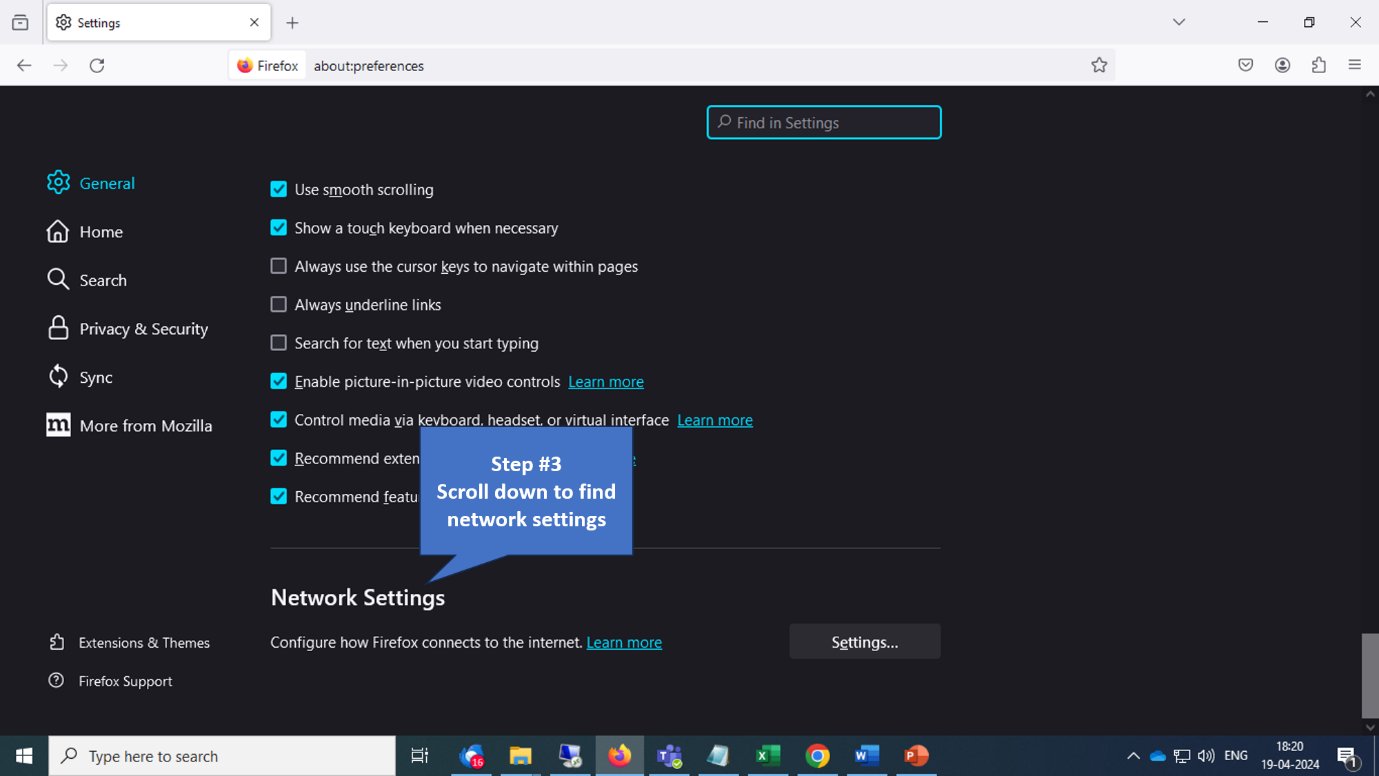
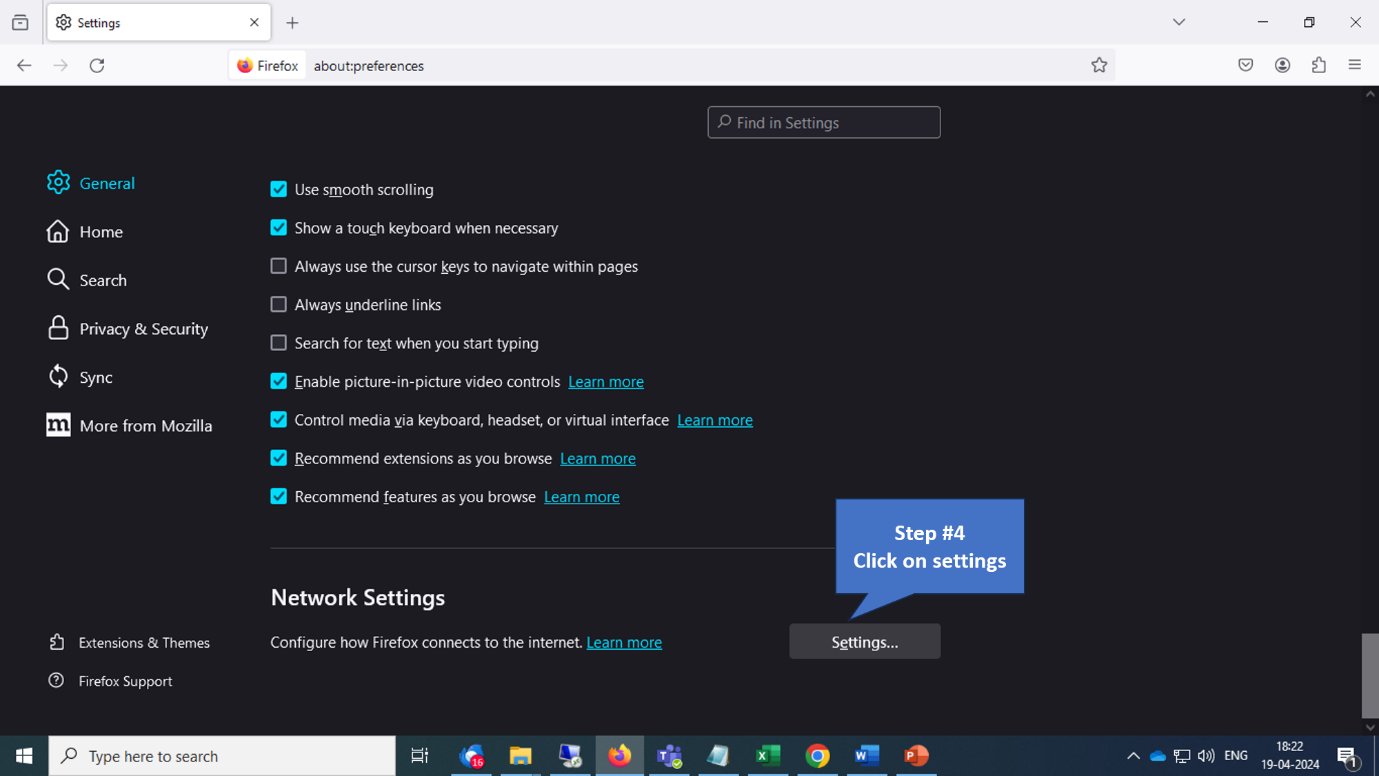
Scroll down to Network Settings in the General section.
-
Click the Settings button.
-
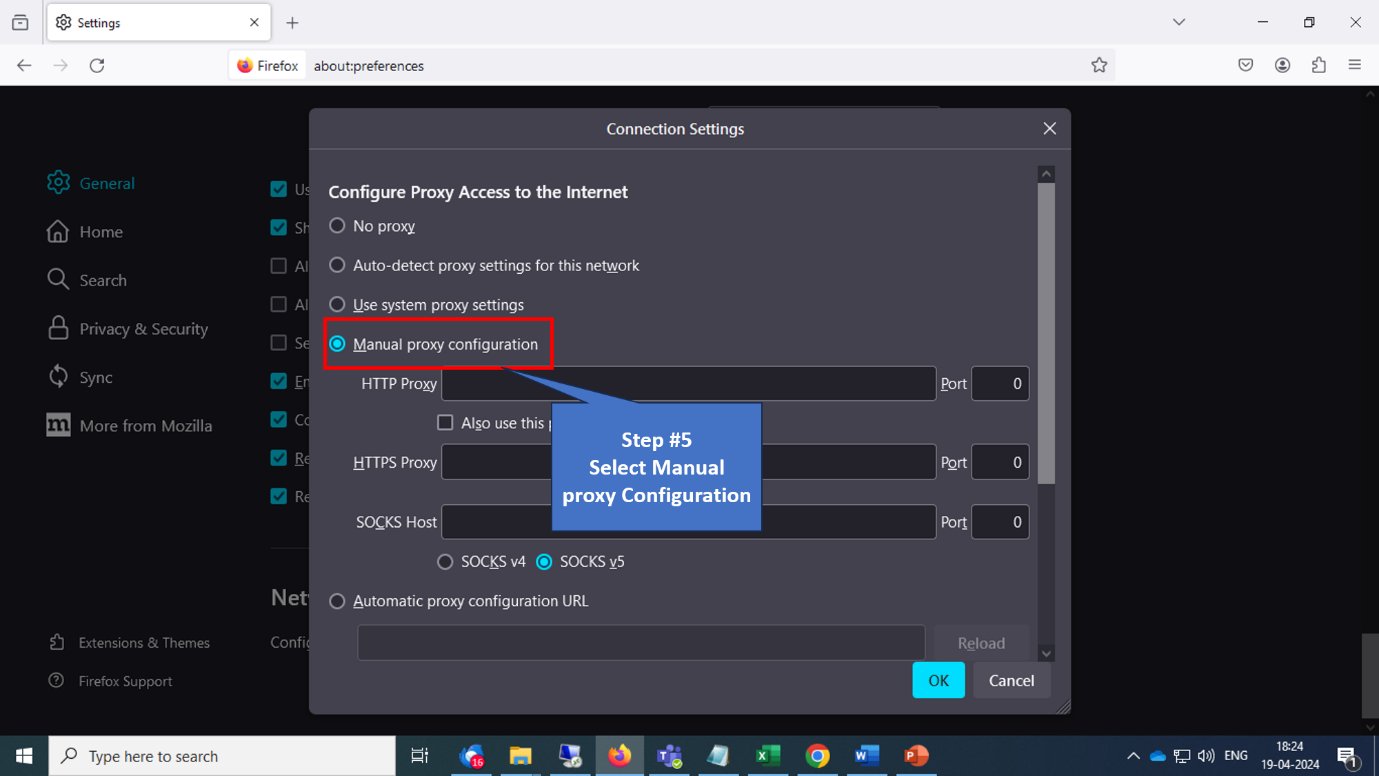
Select Manual proxy configuration.
-
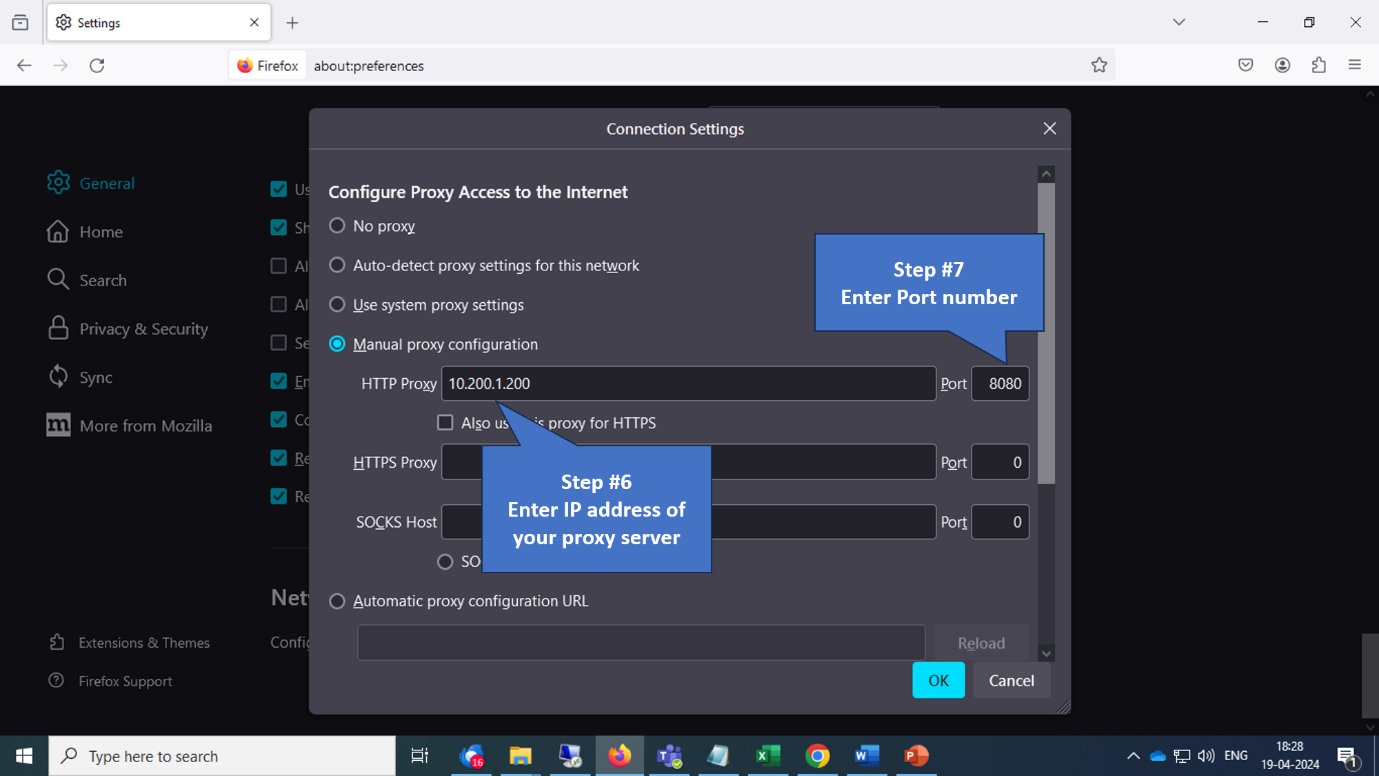
Enter the proxy server address and port number.
-
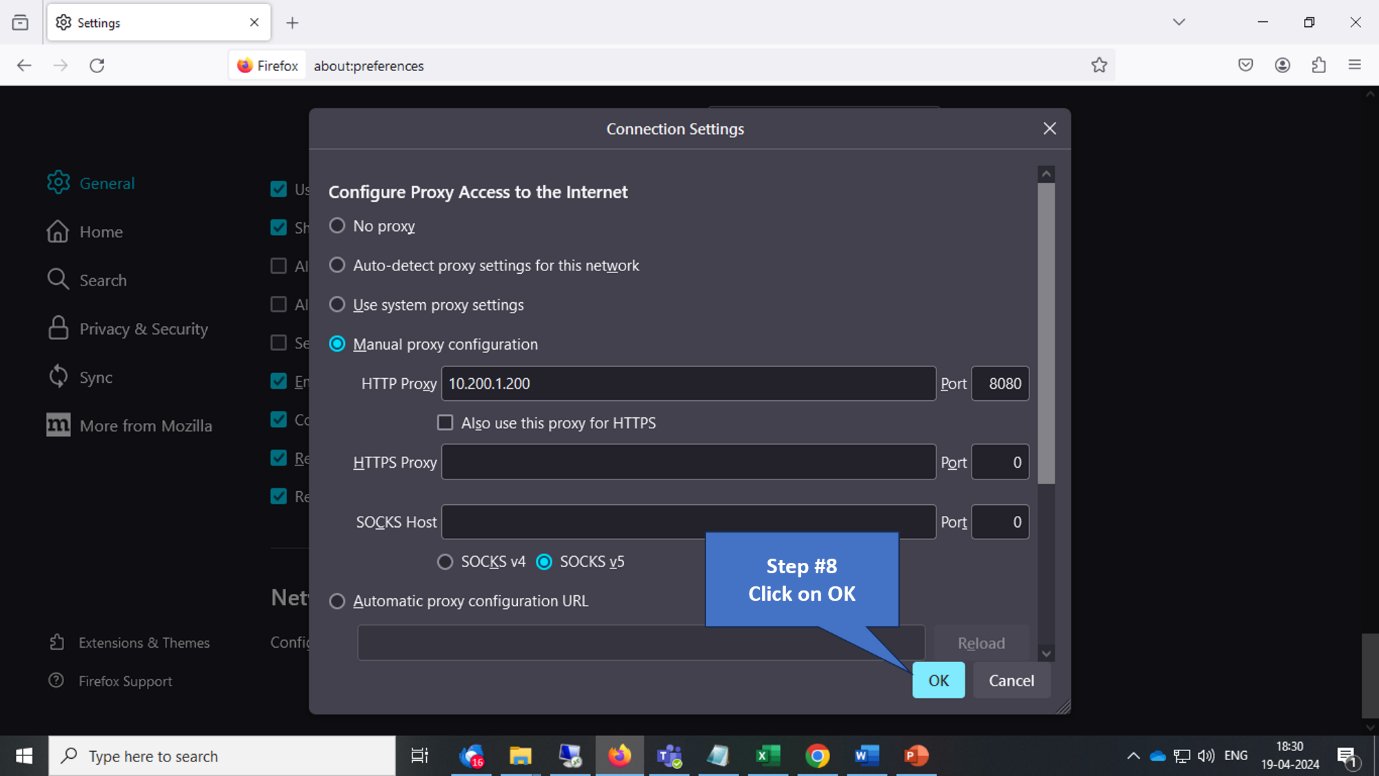
Click OK to save changes.
Verify configuration
Openhttp://safesquid.cfg through the proxy; the SafeSquid WebGUI loads. Browse an external site; traffic appears in SafeSquid access logs from the client IP. Interface: Confirm proxy IP and port in browser or system proxy settings. Logs: Check access.log or Reporting for requests from the client.
Troubleshooting
Escalation: If connectivity fails after correct configuration, check firewall and SafeSquid service status; contact support with access log excerpts.
Next steps
- Transparent Proxy for interception without client proxy configuration.
- Connect Your Client for PAC file, system-wide, and enterprise deployment.
- Verify your setup to confirm end-to-end connectivity.